水足迹视角下黄土高原经济林果扩张的水安全风险分析——以苹果种植为例
|
田嘉欣(1996- ),女,山西忻州人,硕士,研究方向为区域生态环境及可持续发展。E-mail: 1367854625@qq.com |
收稿日期: 2021-10-25
修回日期: 2022-04-07
网络出版日期: 2022-12-28
基金资助
宁夏水土保持科技项目(GZ4-21-05-069/-ZC-F)
“十三五”国家重点研发计划课题(2016YFC0501707)
Analysis of water security risk of cash forest expansion in the Loess Plateau in terms of water footprint:A case study of apple planting
Received date: 2021-10-25
Revised date: 2022-04-07
Online published: 2022-12-28
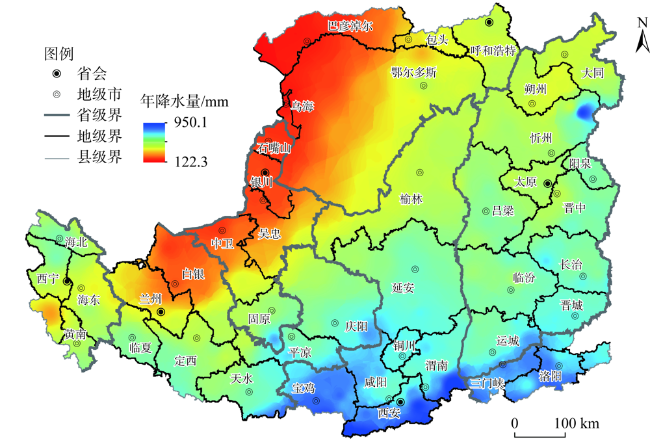
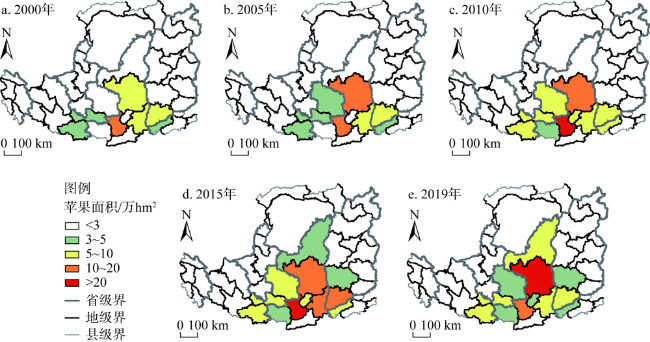
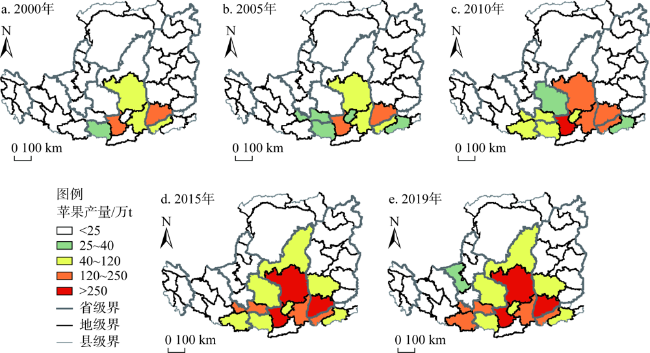
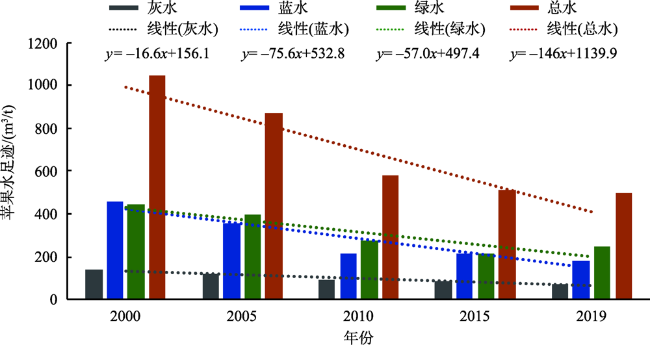
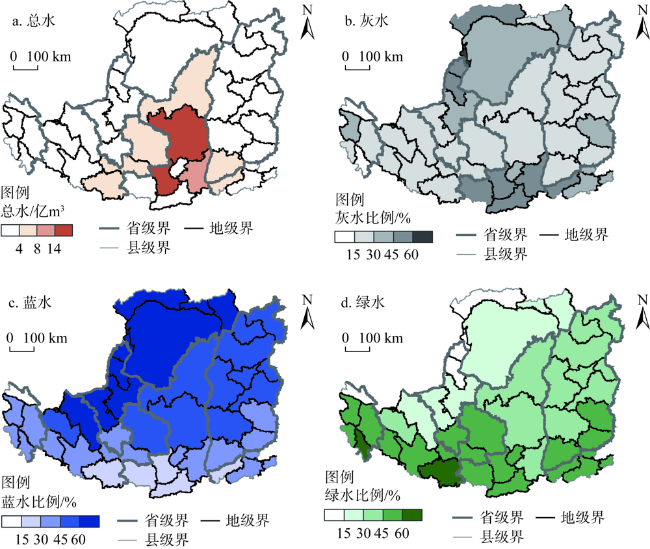
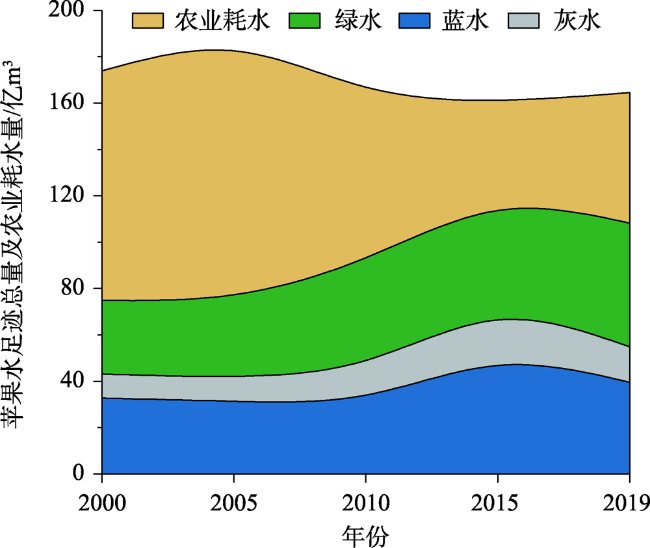
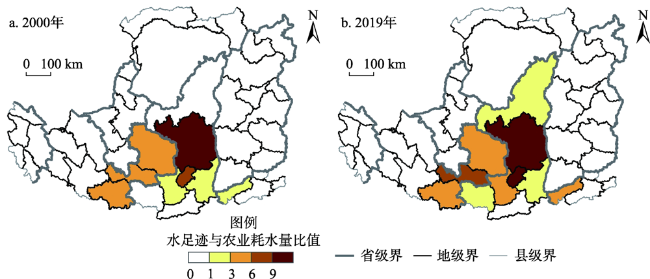
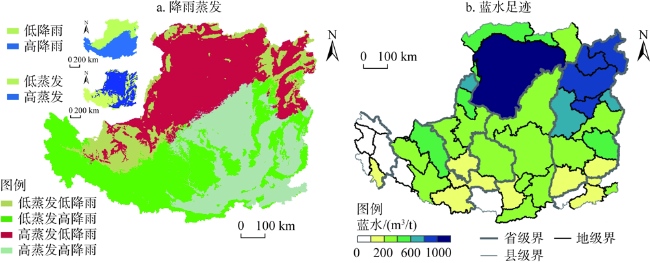
以苹果为主的黄土高原经济林果种植规模持续扩张,耗水量不断增多,潜在的水安全风险增大。量化苹果生产水足迹,讨论苹果生产扩张带来的水安全风险,对科学指导未来黄土高原苹果健康发展具有重要意义。本文基于ArcGIS和CROPWAT软件,选取2000—2019年黄土高原44个市(州),探究了苹果水足迹的时空分布规律及水安全风险。结果表明:2000—2019年,黄土高原苹果种植面积增长了1.3倍,产量增长了3.1倍,呈“北移西扩”的发展趋势;苹果绿水足迹占比的空间分布与降雨量基本一致,从东南向西北递减,蓝水足迹空间分布正好相反;苹果水足迹总量从74.42亿m3增长到108.04亿m3,占农业耗水量的比例由42.78%提升至65.63%,灰水足迹占比高达13.88%,黄土高原苹果生产面临严峻的水安全风险。因此,应适度控制黄土高原苹果种植规模的进一步扩张。本文可为评价黄土高原苹果种植规模扩张背后的水安全风险提供依据。
田嘉欣 , 党小虎 , 杨志 , 李鹏 , 曹小曙 , 樊良新 , 李霖 . 水足迹视角下黄土高原经济林果扩张的水安全风险分析——以苹果种植为例[J]. 自然资源学报, 2022 , 37(10) : 2750 -2762 . DOI: 10.31497/zrzyxb.20221019
The continuous expansion of the planting area of cash forest in the Loess Plateau, which is dominated by apples, has caused increasing water consumption and potential water security risk. Quantifying the water footprint of apple production and discussing the water security risk affected by the apple production expansion are of great significance to scientifically guide the healthy development of the future apple planting in the plateau. Based on ArcGIS and CROPWAT software, 44 cities (prefectures) in the Loess Plateau from 2000 to 2019 were selected to explore the spatial and temporal distribution patterns of apple water footprint and water security risk. The results showed that from 2000 to 2019, the area of apple planting in the Loess Plateau increased by 1.3 times and the yield increased by 3.1 times, presenting a development trend of "moving toward the north and expanding to the west". The spatial distribution of apple green water footprint was basically consistent with that of rainfall, both of which decreased from southeast to northwest, but was opposite to the spatial distribution of blue water footprint. The total apple water footprint increased from 7.442 billion m3 to 10.804 billion m3, the proportion of apple water footprint to agricultural water consumption increased from 42.78% to 65.63%, and the proportion of gray water footprint reached 13.88%, which reflected the serious water security risk posed by apple production in the Loess Plateau. Therefore, further expansion of apple planting in the plateau should be controlled moderately. This study can provide a basis for evaluating the water security risk behind the expansion of apple planting in the Loess Plateau.
感谢国家科技基础条件平台—国家地球系统科学数据中心(
| [1] |
张聪颖, 畅倩, 霍学喜. 中国苹果生产区域变迁分析. 经济地理, 2018, 38(8): 141-151.
[
|
| [2] |
刘璐, 王景红, 柏秦凤, 等. 气候变化对黄土高原苹果主产地物候期的影响. 果树学报, 2020, 37(3): 330-338.
[
|
| [3] |
李志, 赵西宁. 1961—2009年黄土高原气象要素的时空变化分析. 自然资源学报, 2013, 28(2): 287-299.
[
|
| [4] |
何永涛, 李文华, 郎海鸥. 黄土高原降水资源特征与林木适宜度研究. 干旱区研究, 2009, 26(3): 406-412.
[
|
| [5] |
王宪志, 赵西宁, 高晓东, 等. 黄土高原苹果园土壤水分及水分生产力模拟. 应用生态学报, 2021, 32(1): 201-210.
[
|
| [6] |
|
| [7] |
赵雪雁, 刘江华, 王蓉, 等. 基于市域尺度的中国化肥施用与粮食产量的时空耦合关系. 自然资源学报, 2019, 34(7): 1471-1482.
[
|
| [8] |
|
| [9] |
杨文娟, 赵荣钦, 张战平, 等. 河南省不同产业碳水足迹效率研究. 自然资源学报, 2019, 34(1): 92-103.
[
|
| [10] |
|
| [11] |
|
| [12] |
孙世坤, 王玉宝, 吴普特, 等. 小麦生产水足迹区域差异及归因分析. 农业工程学报, 2015, 31(13): 142-148.
[
|
| [13] |
|
| [14] |
|
| [15] |
|
| [16] |
朱振亚, 潘婷婷, 杨梦斐, 等. 水生态文明建设背景下长江经济带水足迹变化研究. 长江科学院院报, 2021, 38(6): 160-166.
[
|
| [17] |
韩盟伟, 赵广举, 穆兴民, 等. 黄土高原1959—2015年潜在蒸发量的时空变化. 干旱区地理, 2017, 40(5): 997-1004.
[
|
| [18] |
|
| [19] |
郭相平, 高爽, 吴梦洋, 等. 中国农作物水足迹时空分布与影响因素分析. 农业机械学报, 2018, 49(5): 295-302.
[
|
| [20] |
|
| [21] |
|
| [22] |
邱美娟, 刘布春, 刘园, 等. 中国北方苹果种植需水特征及降水适宜性. 应用气象学报, 2021, 32(2): 175-187.
[
|
| [23] |
朱启荣, 孙雪洁, 杨媛媛. 虚拟水视角下中国农产品进出口贸易节水问题研究. 世界经济研究, 2016, (1): 87-98, 137.
[
|
| [24] |
吴普特, 卓拉, 刘艺琳, 等. 区域主要作物生产实体水—虚拟水耦合流动过程解析与评价. 科学通报, 2019, 64(18): 1953-1966.
[
|
| [25] |
王方剑. 基于系统动力学的关中地区水足迹模拟与调控研究. 西安: 西北大学, 2019.
[
|
| [26] |
|
| [27] |
|
| [28] |
|
/
| 〈 |
|
〉 |